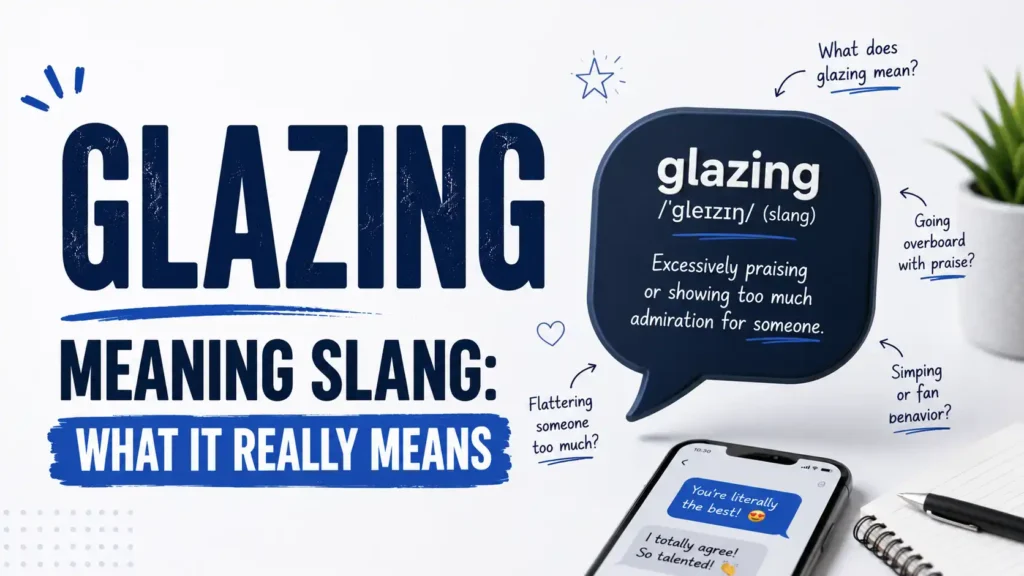
“Glazing” means excessively praising or worshipping someone to a cringe-worthy degree — you’ll see it most on TikTok and Twitter/X when someone defends a celebrity, influencer, or streamer way too hard.
TL;DR
- Glazing = over-the-top, almost embarrassing praise for a person or brand.
- The tone is always mocking — calling someone out for glazing is never a compliment.
- It spread mainly through Black Twitter and gaming communities around 2021–2022.
- Gen Z and younger millennials use it most; you’ll see it in comments, Discord, and TikTok.
- Warning: Don’t confuse sincere praise with glazing — the word implies the praise is excessive and blind.
What Does Glazing Mean in Slang?
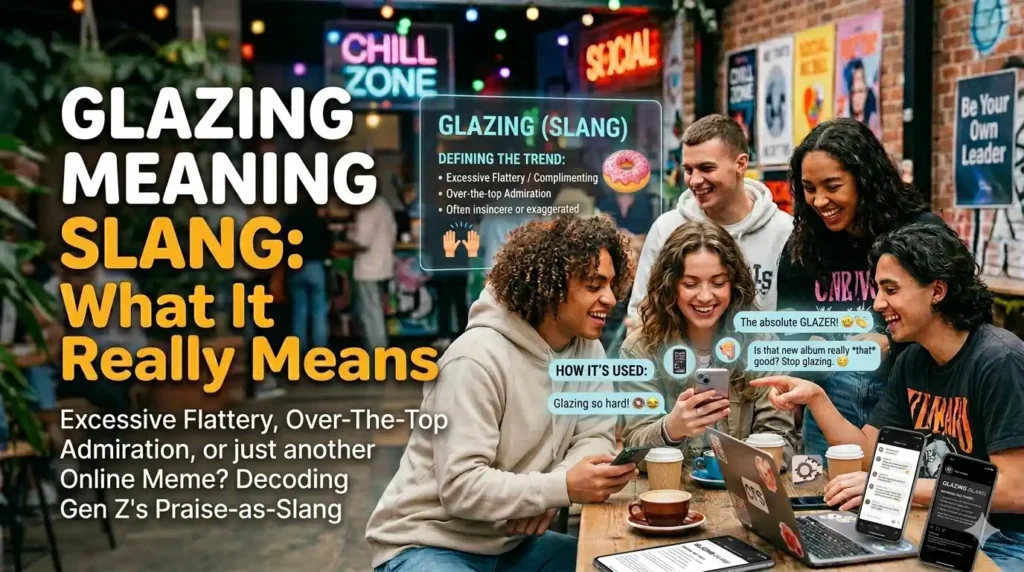
Picture this: it’s 2 AM in a Discord server. Someone drops a 12-message essay defending why their favorite streamer is a literal genius. A single reply comes back: “bro is glazing rn 💀.” Everyone else reacts with the skull emoji. Thread over.
That’s glazing. It means praising someone so intensely, so uncritically, that it becomes embarrassing to witness.
Glazing = publicly over-praising someone to an embarrassing degree.
The word carries a sharp, mocking edge. Using it signals that the speaker sees through the hype. It’s not just “you like them too much.” It means your praise has zero critical thought behind it.
What glazing looks like in practice:
- Defending a celebrity’s obviously bad take with zero pushback
- Writing a paragraph essay in someone’s comments praising everything they do
- Ignoring genuine criticism of a streamer and calling all critics “haters”
- Rating a product 5 stars while admitting it has real flaws, just because you love the brand
- Saying someone is “the greatest of all time” with no evidence or context
It’s closely related to what people call dickriding — another term for the same sycophantic energy — but glazing has become the cleaner, more meme-able version that works across platforms.
Where Did the Slang “Glazing” Come From?
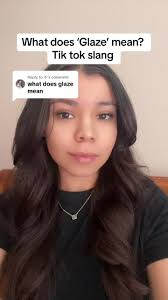
Glazing grew out of Black Twitter and NBA Twitter around 2021. Sports fans used it to describe analysts and fans who praised star players — like LeBron James or Steph Curry — without any critical balance.
The image behind the word is visceral: coating someone in glaze like a donut — smooth, sweet, and with no substance underneath. From sports Twitter, it jumped into gaming communities on Twitch and YouTube.
Why Is “Glazing” Spelled Different Ways?
You’ll mostly see it spelled glazing — that’s the standard. Some users shorten it to glaze as a verb (“stop glazing him”) or noun (“that’s pure glaze”). The spelling stays consistent because it comes from a real English word, unlike phonetic slang terms that drift.
Glazing Spread Timeline:
| Year | Platform | What Happened |
|---|---|---|
| 2021 | Black Twitter / NBA Twitter | First widespread use — mocking fans who over-praised LeBron and KD |
| 2022 | Twitch / YouTube Gaming | Streamers and fans started calling each other out for glazing |
| 2022 | TikTok | Comment sections exploded with the term; became a go-to callout |
| 2023 | Mainstream internet | Used for celebrities, politicians, brands, and AI tools |
| 2024–2026 | US & UK | Crossed the Atlantic; UK users blended it with roadman slang |
What Does Glazing Mean in Text?
In texts and DMs, glazing is almost always used to call someone out — either playfully or with genuine irritation.

How the tone shifts by chat type:
- Private DM between friends → Usually jokey, no real hostility
- Group chat with mixed opinions → Can spark an actual argument
- Fan server or sports Discord → Used as a serious callout or badge of shame
- Twitter/X replies → Public and performative — meant for an audience
Common emojis paired with glazing:
| Emoji | What It Adds |
|---|---|
| 💀 | “You’re dead to me / this is embarrassing” |
| 🧢 | “You’re lying to yourself” — the cap emoji |
| 😭 | Exaggerated, ironic solidarity (“same though”) |
| 🙏 | Sarcastic worship — mocking the glazer’s devotion |
| 👀 | “Everyone can see you doing this right now” |
Example text exchange:
Tyler: bro Travis Scott is literally the greatest rapper alive no competition
Marcus: you are GLAZING so hard rn 💀
Tyler: I’m just saying what’s true
Marcus: the glaze is real man put it down
You’ll also see it paired with Ohio humor in absurdist Gen Z meme threads where the glazing is completely ironic.
What Does Glazing Mean on TikTok?
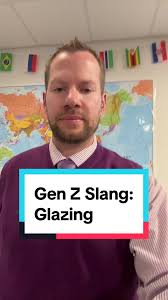
On TikTok, glazing lives in the comments. Someone posts a video defending a creator or celebrity? The top comment is usually “the glazing is insane 💀.”
Where glazing shows up on TikTok:
- Comments under celebrity defense videos or fan edits
- Video captions where creators self-deprecatingly admit their own bias
- Voiceovers reacting to clips of fans going too hard for someone
- Duets and stitches calling out glazer behavior in other videos
US vs. UK TikTok Usage:
| Factor | US TikTok | UK TikTok |
|---|---|---|
| Frequency | Very common | Growing, less dominant |
| Common targets | NBA players, rappers, streamers | Footballers, UK influencers, MCs |
| Typical phrasing | “He’s glazing” / “stop glazing” | “He’s bare glazing fam” |
| Tone | Mocking, often ironic | Similar — slightly more direct |
The TikTok meaning matches the texting meaning closely. It’s slightly more performative on TikTok because the audience is bigger.
Glazing in Real Conversations: 5 Examples
Example 1 — NBA Twitter callout
Cody: KD is a top 5 player of all time easy, no debate
Tyler: bro you have been glazing Durant for 6 years straight 💀
Glazing here signals that Cody’s opinion is driven by blind loyalty, not analysis.
Example 2 — Ironic self-aware glazing
Jess: okay I KNOW I’m glazing but this mascara literally changed my life
Ashley: the glaze is real but honestly same 😭
Jess uses it to pre-empt criticism — admitting the bias makes the recommendation feel more honest.
Example 3 — Discord streamer drama
Marcus: xQc literally does nothing wrong every clip is taken out of context
Cody: dude log off you’ve been glazing him for 3 hours
Marcus: I just see what others don’t
Tyler: the glazer has logged on 💀
The group turns it into a label — “the glazer” — which ramps up the mockery.
Example 4 — Sarcastic political use
Ashley: he said one good thing and now everyone acts like he’s a saint
Jess: glazing season started early this year
Used sarcastically to describe collective over-praise — not just one person’s opinion.
Example 5 — Casual, friendly ribbing
Tyler: I genuinely think Olivia Rodrigo is a generational artist
Marcus: you always glazing her lmaooo
Tyler: because she IS
Light and playful — no real hostility, just friends teasing each other’s fandom.
Glazing vs. Similar Slang
| Word | Core Meaning | Tone | Romantic Element? | Best Used When |
|---|---|---|---|---|
| Glazing | Over-praising someone to an embarrassing degree | Mocking, calling out | ❌ No | Someone defends a celeb or creator with zero criticism |
| Dickriding | Sycophantic loyalty to a person or brand | Crude, aggressive | ❌ No | Confrontational callouts, usually between rivals |
| Simping | Excessive devotion, often romantic | Teasing, sometimes affectionate | ✅ Usually | Crushing on someone who doesn’t know you exist |
| Bootlicking | Flattering someone powerful for personal gain | Political, pointed | ❌ No | Calling out someone who praises authority for clout |
| Glazer | A person who glazes habitually | Label, badge of shame | ❌ No | Turning the behavior into a recurring character trait |
Key difference — glazing vs. simping:
- Simping = emotional or romantic fixation on someone you want to notice you
- Glazing = blind admiration with zero romantic angle required
- You can glaze a sports team, a brand, or a dead rapper — you can’t really simp for one
- Both imply you’ve lost critical distance, but glazing is broader and more internet-native
The Emotional Vibe Behind “Glazing”
Glazing exists because parasocial culture needed a name. Millions of people build deep emotional connections with celebrities, streamers, and influencers they’ve never met.
Why the word spread so fast — broken down:
- It’s visual. The image of coating someone in sugary glaze is instantly disgusting and funny.
- It’s specific. “Fan” is neutral. “Stan” was reclaimed. Glazing fills a gap nothing else did.
- It’s useful for self-awareness. Saying “I know I’m glazing but—” lets you praise something and keep your dignity.
- It punches at power. Calling out glazers is a way of saying the celebrity’s cultural power has gone too far.
- It’s short. One word does the job of a full sentence: “you are embarrassingly obsessed with this person.”
What glazing signals about the people involved:
- The glazer: Lost critical distance; fandom has become identity
- The person being glazed: Has serious cultural power — enough to make fans humiliate themselves
- The person calling it out: Positioning as the rational one; sometimes this is also a performance
The term also reflects Gen Z’s deeply ironic relationship with fandom. They love celebrities and mock themselves for loving them simultaneously. That’s exactly the same energy behind terms like OP when used to describe someone with godlike status in a community.
Is “Glazing” Offensive?
Glazing is not a slur and is not offensive to any specific group. It’s a callout term — the target is always the behavior, not an identity.
Quick offense check:
- Is it a slur? No.
- Does it target a specific group? No — anyone can glaze, anyone can be called a glazer.
- Can it sting? Yes — being publicly called a glazer is embarrassing.
- Is context important? Yes — strangers vs. friends changes the weight significantly.
- Safe in the USA? Yes, with normal social awareness.
- Safe in the UK? Yes — broadly understood and used.
- Professional/academic alternative? Use sycophancy or uncritical admiration instead.
📌 Quick note for parents and teachers: “Glazing” means praising someone in an exaggerated, over-the-top way. It’s used by young people to mock excessive fan behavior online. It’s not a harmful word, but it signals someone thinks another person is being an embarrassing superfan.
Glazing Slang — FAQ
Q: What does glazing mean in slang?
A: In slang, glazing means excessively praising or worshipping someone — usually a celebrity, streamer, or athlete — to a degree that seems blind and cringe-worthy. It implies the person has zero critical distance from whoever they’re praising.
Q: What does glazing mean in texting?
A: In texting, glazing is used to call out a friend who’s over-defending or over-praising someone. It’s usually playful between close friends but can be a genuine callout in group chats. Emojis like 💀 and 😭 usually go with it.
Q: What does glazing mean on TikTok?
A: On TikTok, glazing appears mainly in comments under videos where someone defends a controversial creator or celebrity. It also shows up in video captions where creators self-consciously admit they know they’re being biased.
Q: Where did glazing come from?
A: Glazing originated on Black Twitter and NBA Twitter around 2021, where fans used it to mock people who praised star players without any critical balance. It spread into gaming communities by 2022 and became mainstream Gen Z slang by 2023.
Q: Is glazing a bad word?
A: No. Glazing is not a swear word or slur. It’s a mocking term aimed at behavior, not identity. It can sting if directed at you, but it won’t cause offense in most social contexts.
Q: What’s the difference between glazing and simping?
A: Simping usually involves a romantic or crush-based fixation on someone you want attention from. Glazing is purely about admiration and praise — no romantic angle required. You can glaze a sports team; you can’t really simp for one.
Q: Do Americans and British people use glazing the same way?
A: Mostly yes, though the word is more common on US TikTok and Twitter. UK users sometimes combine it with British slang (“he’s bare glazing”), but the meaning stays the same on both sides of the Atlantic.
Q: Can glazing ever be a compliment?
A: Almost never in sincere use. Occasionally someone will say “I know I’m glazing but—” before a genuine recommendation, which softens the edge. But when someone else calls you a glazer, it’s always a callout, never praise.
The Bottom Line
Glazing is the internet’s word for blind, cringe-worthy admiration. It’s not just about liking someone a lot. It’s about praising them so uncritically that you embarrass yourself doing it.
Remember these three things:
- Glazing = excessive, uncritical praise — the tone is always mocking when someone else uses it about you
- It’s not offensive — but it is a public callout that can embarrass the target
- Self-aware glazing is acceptable — admitting you’re doing it softens the cringe
The word spread because parasocial fandoms needed a name for their own worst impulses — and Gen Z was happy to provide one. Next time you see it in a comment section, you’ll know exactly who’s being called out.
Have you seen glazing used in a way that surprised you? Drop it in the comments.

Maggie Wiersma is a USA-based writer with 2 years of experience covering slang meanings, internet culture, and modern language trends. With a background in communication studies, she creates simple and engaging content that helps readers understand today’s most popular slang terms.