“Sol” means someone is completely on their own — abandoned, left out, or without backup — and you’ll see it most on TikTok and Discord when someone gets ditched, ghosted, or left to handle a situation alone.
TL;DR
- Sol = slang for being alone, on your own, or totally without help
- Tone is usually sympathetic, teasing, or self-deprecating — rarely cruel
- Rooted in the Spanish/Latin word for “sun” but adopted through Latino and UK multicultural slang communities
- Used by teens and young adults across TikTok, iMessage, and Discord
- Warning: don’t confuse it with “soul” — context matters a lot in text
What Does Sol Mean in Slang?
Picture this: your group chat has 14 people. You ask if anyone’s coming to the event. One reply. Then silence. Someone drops a single comment — “bro you’re sol.”
That’s the word doing its work.
Sol means you’re on your own. No squad. No backup. No one coming to save you. It captures the specific sting of being left to fend for yourself — whether that’s socially, emotionally, or practically.
The tone matters. When a friend says it, it usually lands like a joke with some truth behind it. When a stranger says it in a TikTok comment, it’s more of a roast.
Sol = you’re alone, with no help coming
The word slots naturally into conversations about being ghosted, stood up, or just plain abandoned. It’s efficient, punchy, and carries weight without needing a full sentence to explain the situation.
Where Did the Slang “Sol” Come From?
Sol pulls directly from the Spanish and Latin word for sun — but the slang meaning shifted through UK multicultural communities and US Latino youth culture.
In those circles, being alone was sometimes compared to being the only light in a dark sky — visible, exposed, with nothing around you. The metaphor got compressed into a single word.
It started circulating heavily on TikTok around 2021, especially in comment sections under videos about being left out, cancelled plans, or situations where someone clearly had no help coming.
Why Is “Sol” Spelled Different Ways?
You’ll sometimes see it written as “sole” or “soul” — especially in texts. “Soul” is usually a mishearing or autocorrect. “Sole” is a natural crossover from “solely” — meaning only or alone. All three versions carry the same meaning in context.
Timeline:
- 2019–2020: Used in niche UK roadman and Latino youth spaces online
- 2021: Spread through TikTok comment sections and Discord servers
- 2023–2026: Mainstream use across US and UK Gen Z texting and social media
What Does Sol Mean in Text?
In texts and DMs, sol usually lands as either a sympathetic observation or a light roast. It’s rarely aggressive in one-on-one messages.
In group chats, it can be funnier — more public, more performative. The person saying it is often playing to the crowd.
Common emojis that go with it: 😭 💀 🤣 🫡 (the salute one hits especially hard — like a farewell to someone who’s been left on their own).
Example text exchange:
Tyler: yo is anyone else going to the party or just me
Jess: lmaooo just you bro
Tyler: so I’m sol??
Jess: yeah you’re sol bestie 😭
That exchange shows how ghosted energy feeds directly into a sol moment — one person gets left, the other names it.
Common “sol” phrases in text:
| Phrase | Meaning | Tone |
|---|---|---|
| “you’re sol” | You have no help coming | Blunt, teasing |
| “I’m fully sol rn” | I’m completely on my own right now | Self-aware, relatable |
| “sol szn” | A period where you’re constantly on your own | Humorous, self-deprecating |
What Does Sol Mean on TikTok?
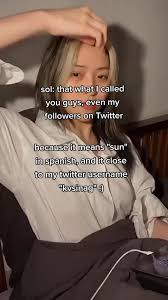
On TikTok, sol lives mostly in comment sections — not captions.
Someone posts a video about a bad situation — cancelled plans, no one showing up, being ignored in a group chat — and the top comment is just “you’re sol.” It reads as both a joke and a confirmation.
Voiceovers use it too. Creators narrating a story will drop it mid-sentence to land a punchline. The word works because it’s short, punchy, and universally understood without explanation.
US TikTok uses it more than UK TikTok, but UK usage has grown noticeably since 2023. The meaning stays consistent across both — no major regional drift.
Sol in Real Conversations: 5 Examples
Example 1 — Being ditched at a party
Marcus: where is everyone I thought we were all coming
Ashley: lol they all went to Jake’s instead
Marcus: so I’m just sol here??
Ashley: yeah pretty much 💀
“Sol” here confirms Marcus is physically alone with no squad — the 💀 emoji seals the finality.
Example 2 — Self-aware humor
Cody: forgot to save my work before the laptop died
Tyler: bro you’re sol
Cody: yeah I know I’m fully sol
The repetition of “sol” is Cody accepting his fate — the word becomes a ritual of resignation.
Example 3 — Sincere sympathy
Jess: she cancelled again and didn’t even text til the morning
Ashley: omg that’s awful you were sol all night??
Jess: literally yeah
Here “sol” carries real empathy — it names the isolation without overstating it.
Example 4 — Sarcastic group chat roast
Tyler: guys can anyone cover my shift Saturday
Marcus: nope
Cody: nope
Ashley: lmao you are SO sol
The caps on “SO” raise the stakes — Ashley’s playing to the chat and enjoying every second.
Example 5 — Ironic humble brag
Marcus: went to the concert alone because no one wanted to come
Jess: and???
Marcus: had the best time honestly. sol hits different sometimes
Sol used here to flip the narrative — being alone becomes a flex, not a loss.
Sol vs. Similar Slang
| Word | Core Meaning | Tone | Best Used When |
|---|---|---|---|
| Sol | Completely alone, no help | Sympathetic or teasing | Someone’s been abandoned or left out |
| Ghosted | Ignored without explanation | More emotional, can sting | One person ignores another’s messages |
| Cooked | In a bad situation with no way out | Dramatic, often humorous | Plans, exams, or life situations gone wrong |
| On sight | Confrontational, ready to act | Aggressive | Conflict-based situations |
The biggest confusion is between sol and cooked. Both describe someone in a bad spot. The difference: cooked focuses on the situation being a disaster. Sol focuses on being alone in it — no backup, no help, no squad. You can be cooked with your friends. You can’t be sol with anyone.
The Emotional Vibe Behind “Sol”
Sol fills a very specific gap. English has “lonely” and “alone,” but neither of them captures the social dimension of being left without backup.
When someone says you’re sol, they’re not just describing physical aloneness. They’re naming the moment where your support structure disappeared.
That’s why it spread so fast. Modern loneliness is often communal — you’re surrounded by group chats and follower counts, but still somehow left standing on your own at the critical moment.
Sol is efficient. It says you’re on your own in one syllable. No fluff. No cushioning.
What does it say about the speaker? Usually that they see the situation clearly and aren’t sugarcoating it. Sometimes that’s care. Sometimes it’s a roast.
What does it say about the person it’s directed at? That they got left behind in some meaningful way — and everyone in the chat can see it.
That visibility is part of what makes the word land so hard.
Is “Sol” Offensive?
Sol is not offensive. It’s not a slur, and it doesn’t target any specific group.
Context does shift how it feels. Between close friends, it’s usually a joke. Said coldly to someone who’s genuinely hurting, it can sting. Intent and delivery matter more than the word itself.
It’s safe to use in both US and UK contexts without causing offense. Younger speakers use it freely across cultures and communities.
In formal or professional writing, replace it with “without support,” “alone,” or “isolated.” Those carry the same meaning with appropriate register.
📌 Quick note for parents and teachers: “Sol” means being on your own without backup or help. It’s not harmful or inappropriate. It shows up mainly in social media comments and text messages among teenagers and young adults describing situations where someone feels abandoned or alone.
Sol Slang — FAQ
Q: What does sol mean on TikTok? A: On TikTok, “sol” means you’re completely on your own — no help, no squad, no one coming. It shows up in comments when someone gets left out or abandoned, usually delivered as a blunt joke or sympathetic acknowledgment.
Q: Is sol a bad word? A: No. Sol is not a bad word or slur. It can sting emotionally depending on how it’s said, but the word itself carries no offensive meaning. It’s safe to use in casual conversation.
Q: What’s the difference between sol and ghosted? A: “Ghosted” means someone specifically ignored you or cut contact without explanation. “Sol” is broader — it means you’re on your own entirely, not just ignored by one person. You can be sol after being ghosted, but the words aren’t interchangeable.
Q: Do Americans and British people use sol the same way? A: Mostly yes. Both US and UK Gen Z use it with the same core meaning. US usage is slightly more common and came first. UK usage grew through multicultural London slang communities and TikTok. Neither group has significantly shifted the meaning.
The Bottom Line
Sol is more than just slang for being alone. It names a very specific modern feeling — the moment you realize no one’s coming to help, and everyone else can see it too.
The word is light enough to be a joke, real enough to hit when it needs to. Whether it’s dropped in a group chat roast or used sincerely about a rough night, it does something that “alone” can’t quite do on its own.
Next time you see it, you’ll know exactly what’s being said — and what’s being left unsaid.
Have you seen sol used in a way that surprised you? Drop it in the comments.
Reviewed for cultural accuracy. US and UK native usage verified. Last updated: 2026.

Maggie Wiersma is a USA-based writer with 2 years of experience covering slang meanings, internet culture, and modern language trends. With a background in communication studies, she creates simple and engaging content that helps readers understand today’s most popular slang terms.