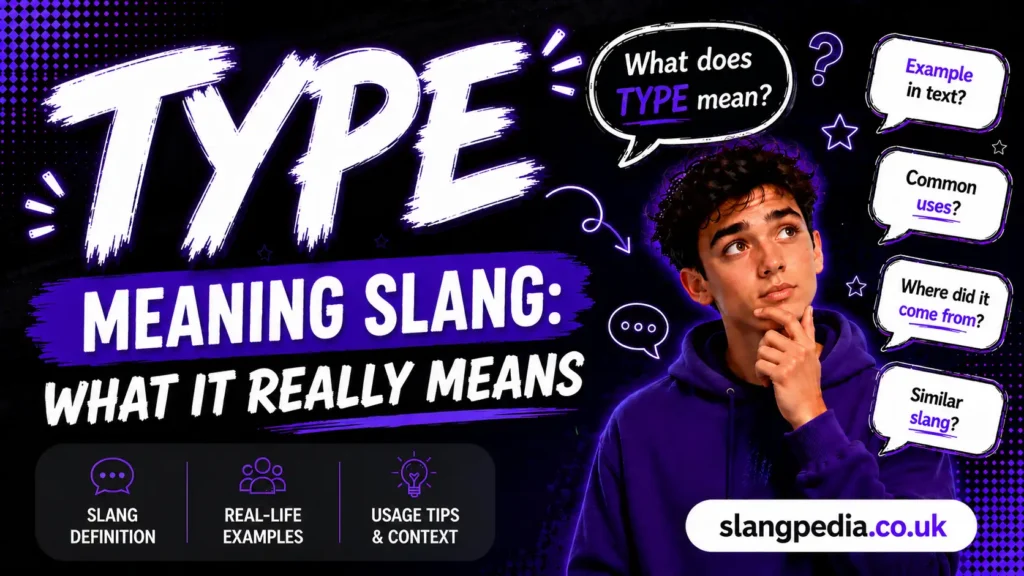
“Type” means someone or something that perfectly matches your personal taste or attraction standard — you’ll see it most on TikTok and Instagram when someone is saying a person fits exactly what they find attractive or appealing.
TL;DR
- “Type” = a person or thing that matches exactly what you’re attracted to or into
- Tone is personal and often flirty — it signals real preference, not just a compliment
- Rooted in everyday English but took on sharper romantic meaning through Black American culture and social media
- Used by Gen Z and Millennials across the US and UK, mostly in romantic or aesthetic contexts
- Don’t use it carelessly in professional settings — it can sound shallow or overly personal
What Does “Type” Mean in Slang?
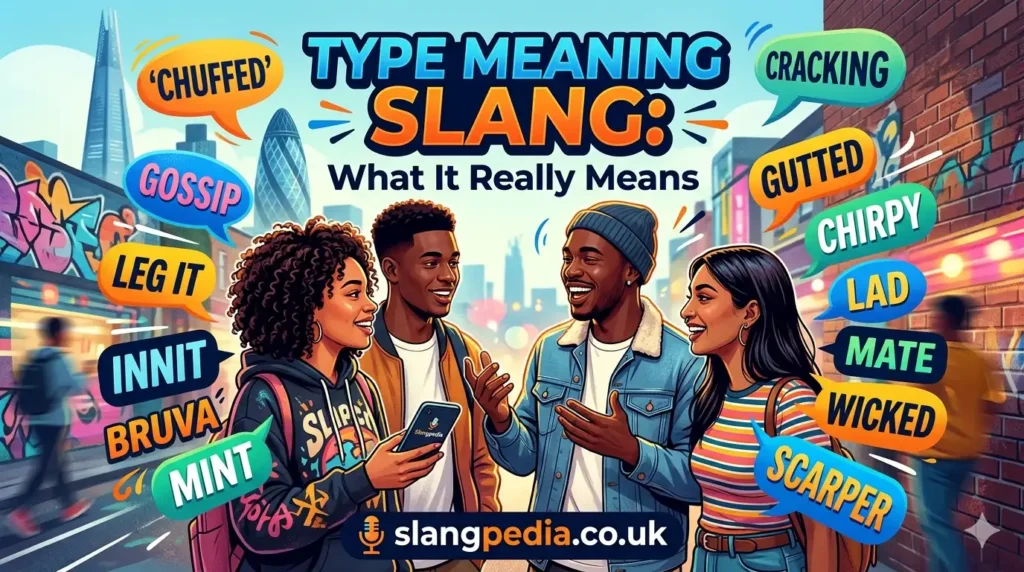
You’re scrolling TikTok and someone posts a video of a guy in a vintage leather jacket, coffee in hand, reading in a bookshop. The comments flood in: “he is so my type,” “not me crying because this is literally my type,” “YOUR TYPE IS MY TYPE.”
That’s the word in its natural habitat.
In slang, “type” means the specific kind of person — physically, emotionally, or aesthetically — that someone is attracted to. It’s a shorthand for “this person checks all my boxes.”
But it carries more weight than a plain compliment. Saying someone is your type signals something intimate. It reveals your taste. It’s more vulnerable than just saying someone is attractive.
type = the specific kind of person you’re drawn to, especially romantically
The word fits naturally into conversations about attraction, dating, and even aesthetic preferences. If someone says “dark academia is not my type of vibe,” they’re borrowing the same logic — matching something to a personal internal standard.
It often appears alongside no cap to signal the speaker is being genuinely honest about their attraction.
Where Did the Slang “Type” Come From?
“Type” in the romantic sense isn’t new — but the way Gen Z uses it online is sharper and more expressive than before.
The phrase “my type” has roots in everyday American English going back decades. But its current social media life grew largely out of AAVE (African American Vernacular English), where direct and confident expressions of attraction have always been a cultural norm.
TikTok accelerated the spread massively. Around 2019–2021, the format “he/she is [literally] my type” became a comment-section staple. It moved from DMs to public declarations.
Why Is “Type” Spelled Different Ways?
“Type” doesn’t have major spelling variants — it’s a standard English word. But it appears in different constructions: “my type,” “not my type,” “you’re so my type,” and “that’s literally my type.” Each phrasing carries a slightly different emotional weight.
Timeline:
- 2015: “My type” gains traction as a dating app and Twitter phrase, often used in bios
- 2019: TikTok comment culture turns it into a near-universal expression of attraction
- 2023–2026: Mainstream use across Instagram, Discord, and iMessage; now used for aesthetic preferences beyond just people
What Does “Type” Mean in Text?
In texts and DMs, “type” is direct and personal. It almost always signals attraction or strong preference. In private chats, it can get flirtier — “you’re literally my type wtf” hits differently in a one-on-one iMessage than in a TikTok comment.
In group chats, it’s used more playfully. Friends will send a photo of a celebrity and ask “is this your type?” as a way to tease or start a conversation about someone’s taste.
Common emojis paired with it: 😭 (overwhelmed attraction), 🤌 (perfection), 😮💨 (flustered), 💀 (dead from attraction).
Example text exchange:
Tyler: just saw that new barista at the coffee place
Jess: and??
Tyler: she’s literally my type i can’t even order properly
Jess: 😭 go back and talk to her then
Using it alongside DL is common — someone might say “he’s my type but I’m keeping it on DL” meaning they’re quietly attracted but not broadcasting it.
| Phrase | Meaning | Vibe |
|---|---|---|
| “You’re my type” | Direct statement of attraction | Flirty, vulnerable |
| “Not my type at all” | Firm rejection of attraction | Blunt, dismissive |
| “That’s literally my type” | Emphatic match to personal preference | Dramatic, enthusiastic |
What Does “Type” Mean on TikTok?
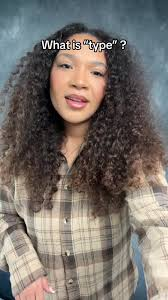
On TikTok, “type” lives mostly in the comments. Someone posts a video — a person, an aesthetic, a vibe — and the comments fill up with “this is my type,” “he/she is so my type,” or “not my type but I respect it.”
It appears in captions too: “POV: you finally meet your type.”
The TikTok meaning stays consistent with texting use, but the scale changes. It becomes a collective declaration — hundreds of people publicly claiming the same “type” creates a strange, funny group intimacy.
It’s popular on both US and UK TikTok equally. British users add their own flavor — “he’s bare my type” or “she’s literally my type no cap” — but the core meaning is identical.
“Type” in Real Conversations: 5 Examples
Example 1 — Flirty DM
Marcus: you’re honestly so my type it’s annoying
Ashley: why is that annoying lol
Marcus: because now i have to actually talk to you
“Type” here signals genuine attraction — using “annoying” softens the vulnerability.
Example 2 — Group Chat Debate
Cody: [sends celebrity photo] everyone’s saying he’s attractive but idk
Jess: he’s not MY type but i get it
Tyler: he’s literally everyone’s type what are you on about
“Not my type” is used to distinguish personal taste without being harsh.
Example 3 — Ironic / Sarcastic
Ashley: he showed up two hours late and forgot my name
Marcus: classic
Ashley: and somehow he’s still my type. i hate this app
Sarcastic use — self-aware humor about having a “bad” type.
Example 4 — TikTok Comment (Sincere)
[On a video of someone reading in a café]
Tyler: he is so my type i need to go outside more
Sincere comment — the simplicity signals real feeling, no irony.
Example 5 — Aesthetic Use (Beyond People)
Jess: okay this whole dark library vibe is my type of aesthetic
Cody: same. dark wood, old books, rain outside
Jess: yes EXACTLY that’s the type
“Type” extends beyond people to describe a preferred aesthetic or vibe.
“Type” vs. Similar Slang
| Word | Core Meaning | Tone | Best Used When |
|---|---|---|---|
| Type | Someone matching your personal attraction standard | Personal, vulnerable, flirty | Describing attraction to a specific person or aesthetic |
| Vibe | General energy or atmosphere someone gives off | Casual, broad | Describing overall mood or energy, not just attraction |
| Crush | Someone you have romantic feelings for | Soft, nervous | When feelings are developing, not just based on looks |
| Fit (UK) | Someone physically attractive | Blunt, complimentary | Quick physical compliment, British usage |
The biggest confusion is between “type” and “vibe.” A vibe is about energy — it’s broader and less personal. Your type is about attraction — it reveals something about you, not just them. Saying “he’s got a good vibe” is a compliment. Saying “he’s my type” is a confession.
The Emotional Vibe Behind “Type”
Here’s why this word hit different online: it’s one of the few slang terms that reveals the speaker, not just describes someone else.
When you say someone is attractive, you’re making a general statement. When you say they’re your type, you’re exposing your own taste. That’s vulnerable. That’s specific.
Gen Z grew up in a culture obsessed with personality tests, aesthetic boards, and self-definition. Knowing your “type” — and being able to name it — became a form of identity. It signals self-awareness.
There’s also something honest about it. It cuts through vague compliments. “You’re my type” feels more real than “you’re cute.”
The phrase spread fast because it’s emotionally efficient. One word carries attraction, preference, and personal identity all at once.
It also works across more than just people. Your type of music. Your type of coffee order. Your type of Saturday. It became a shorthand for ISO — a way of saying “this is exactly what I’ve been looking for.”
Is “Type” Offensive?
No — “type” is not offensive in itself. It’s a neutral word used to describe personal preference or attraction. It isn’t a slur and doesn’t target any specific group.
Context matters, though. Using “type” in a way that reduces people to physical categories can come across as shallow or objectifying. Saying “I don’t date that type” based on race or ethnicity is discriminatory — the word enables that framing even if it doesn’t cause it.
In the USA and UK, casual use of “my type” in romantic or aesthetic conversation is completely safe. No one will take offense at a TikTok comment.
Who should be careful: Anyone in a professional or academic setting. The formal alternative is “preference” or “ideal candidate/partner.”
📌 Quick note for parents and teachers: “Type” is standard slang for someone’s personal attraction preference. It’s not harmful or explicit. You’ll see it in TikTok comments, texts, and Instagram captions — usually in a romantic or aesthetic context. It requires no intervention.
“Type” Slang — FAQ
Q: What does “type” mean on TikTok?
A: On TikTok, “type” means someone or something that perfectly matches your personal taste — usually in a romantic or aesthetic sense. It appears in comments like “he is so my type” or captions like “POV: you finally meet your type.”
Q: Is “type” a bad word?
A: No, “type” is not a bad word. It’s a neutral slang term for personal preference. It only becomes problematic if used to make discriminatory generalizations about groups of people.
Q: What’s the difference between “type” and “vibe”?
A: “Type” refers to who or what you’re personally attracted to — it reveals your taste. “Vibe” describes someone’s energy or atmosphere more generally. Your type is about attraction; a vibe is about feeling.
Q: Do Americans and British people use “type” the same way?
A: Mostly yes. Both use “my type” to describe romantic or aesthetic preference. British users sometimes pair it with local slang — “bare my type” or “she’s my type no cap” — but the core meaning is identical across both cultures.
The Bottom Line
“Type” is one of those slang terms that feels simple but does something deeper. It’s not just a compliment — it’s a moment of self-disclosure. Using it means you know what you want and you’re owning it.
You’ll see it across TikTok, Instagram, iMessage, and Discord. The meaning stays consistent: this person or thing matches my personal standard.
Next time you see “he’s literally my type” in the comments, you know it’s more than attraction — it’s identity.
Have you seen “type” used in a way that surprised you? Drop it in the comments.
Reviewed for cultural accuracy. US and UK native usage verified.
Maggie Wiersma is a USA-based writer with 2 years of experience covering slang meanings, internet culture, and modern language trends. With a background in communication studies, she creates simple and engaging content that helps readers understand today’s most popular slang terms.