“6-7” means someone is operating in a shady, unpredictable, or untrustworthy way — you’ll see it most on TikTok and Instagram comments when someone calls out suspicious behavior or messy energy.
TL;DR
- 6-7 describes someone acting sketchy, two-faced, or off-brand from how they normally present
- Tone is accusatory but often playful — it can be a joke or a genuine warning
- Originated in UK rap and roadman slang circles before crossing into TikTok culture
- Used by Gen Z teens and young adults in the US and UK equally
- ⚠️ Don’t use it in professional settings — it reads as an accusation
What Does 6-7 Mean in Slang?
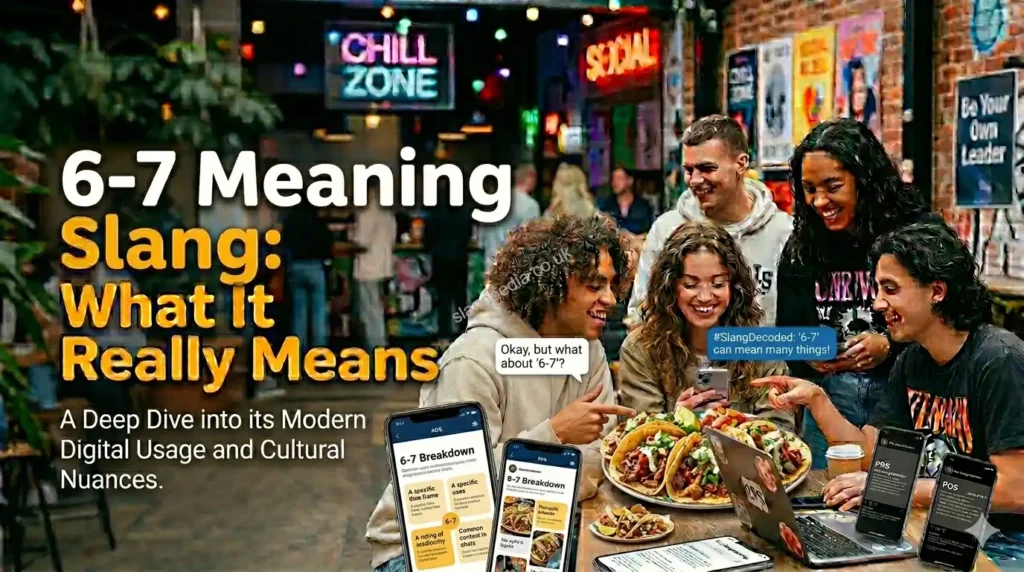
You’re scrolling TikTok comments on a drama video. Someone just got exposed for talking behind their friend’s back. Top comment: “bro has been moving 6-7 this whole time.” Forty-thousand likes.
That comment says everything without spelling it out.
6-7 refers to someone operating between the lines — not fully honest, not fully shady, but suspicious enough to notice. It describes behavior that feels off. The number sequence signals something just below the radar but above outright wrong.
6-7 = acting in a sketchy, untrustworthy, or two-faced way
The nuance matters. Calling someone 6-7 isn’t always a full accusation. Sometimes it’s a raised eyebrow. Sometimes it’s a warning shot. The tone shifts based on context, delivery, and who’s in the room.
It often appears near similar language like moving mad — both describe behavior that feels off, but 6-7 has a more calculated, deliberate energy to it.
Where Did the Slang “6-7” Come From?
6-7 traces its roots to UK rap and road culture, where numbers and codes have long replaced direct language. Artists and their circles used numeric shorthand to reference things without saying them outright — a habit tied to both style and street necessity.
The term started circulating seriously around 2020–2021 on UK Twitter and Snapchat among fans of UK drill and Afroswing. From there it moved onto TikTok, where American users picked it up and slightly shifted its meaning.
In UK usage, 6-7 often pointed to specific untrustworthy behavior — especially related to loyalty and betrayal. In American adoption, it softened slightly into general shadiness or messy behavior.
Why Is “6-7” Spelled Different Ways?
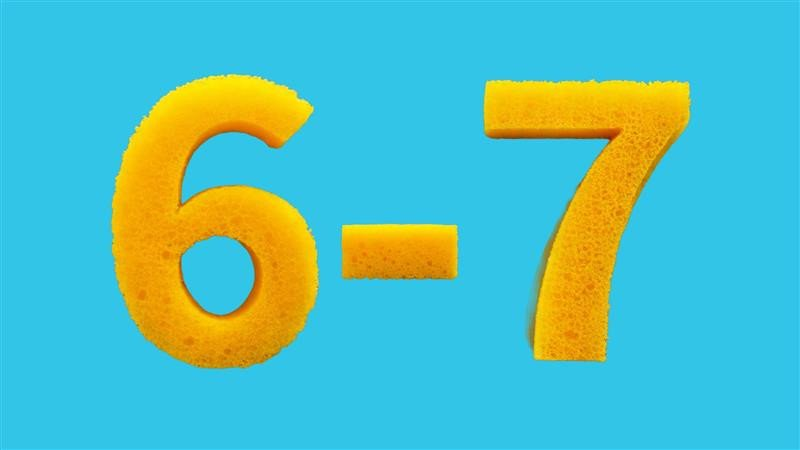
You’ll see it written as 6-7, 67, or occasionally six-seven. The hyphenated version is most common online. The no-hyphen version (67) shows up in rapid texting. “Six-seven” appears in more deliberate written posts or captions.
All three mean the same thing. The variation is stylistic, not semantic.
Timeline:
- 2020: Emerges in UK road and drill communities as coded behavioral shorthand
- 2022: Spreads to TikTok comment sections via UK drama and callout content
- 2024–2026: Mainstream Gen Z usage across US and UK social platforms
What Does 6-7 Mean in Text?
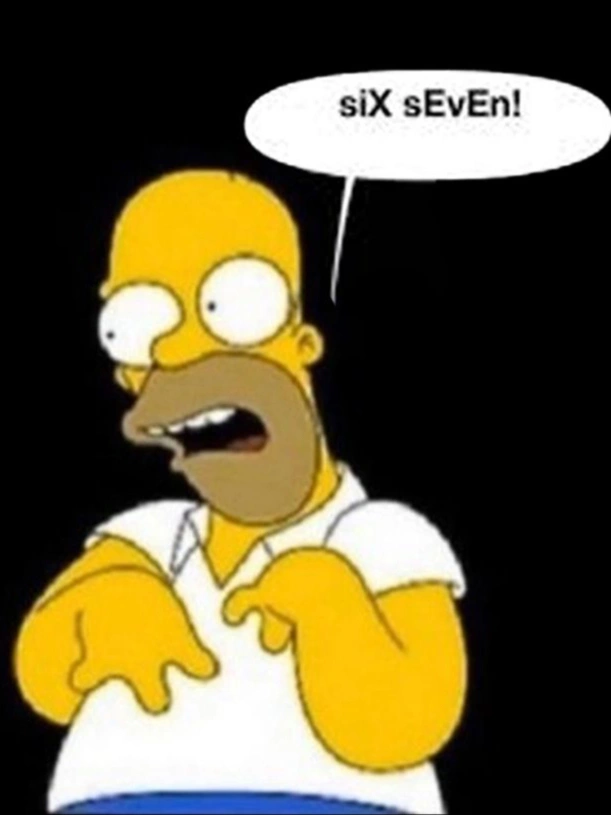
In texts and DMs, 6-7 works as a quick label. It’s low-effort but high-impact — one number drops a full judgment.
In private chats, it’s often used to vent about someone behind their back. In group chats, it’s more of a public verdict — everyone agrees someone’s been acting 6-7.
Common emojis: 👀🤨😒🚩
Real text exchange:
Jordan: did you see what Keisha posted about Dani??
Marcus: bro she’s been 6-7 for weeks i been saying
Jordan: i knew it was coming 😒
Marcus: on sight fr
In group chats, saying someone is “moving 6-7” works similarly to calling someone sus — but with more cultural weight and edge.
Common 6-7 Slang Phrases
| Phrase | Meaning | Where You’ll See It |
|---|---|---|
| “Moving 6-7” | Acting shady or two-faced | UK TikTok, Twitter/X |
| “On a 6-7 ting” | Consistently untrustworthy behavior | UK roadman slang, DMs |
| “6-7 energy” | A vibe that feels off or suspicious | US TikTok captions, comments |
What Does 6-7 Mean on TikTok?
On TikTok, 6-7 lives mostly in comment sections and drama stitch videos.
It shows up under callout content, “exposing my ex” videos, and any video where someone’s behavior is being dissected. It’s a shorthand verdict — viewers drop it when they’ve already made up their minds about someone.
US TikTok users tend to pair it with “fr” or “no cap.” UK TikTok users are more likely to say “moving 6-7” as a full phrase.
The meaning stays consistent across both — but UK creators use it more fluently. American users sometimes treat it as an adjective alone. Both uses land correctly.
It rarely appears in voiceovers. It’s a comment culture word.
6-7 in Real Conversations: 5 Examples
Example 1 — Group Chat Verdict
Tyler: “wait did Cody just invite her knowing she told everyone?”
Ashley: “yeah he’s been moving 6-7 all month 🚩”
The word signals a pattern of behavior, not just one incident.
Example 2 — Ironic/Joking Tone
Jess: “I showed up to the party an hour late lmao”
Marcus: “6-7 behavior ngl 😂”
Used here for laughs — the accusation is fake but the label still sticks culturally.
Example 3 — Sincere Warning
Cody: “you trust Dani with stuff?”
Tyler: “not anymore she’s been 6-7 since January”
No emojis. Flat delivery. This is a genuine heads-up between two people.
Example 4 — Sarcastic Callout
Ashley: “omg he said he was busy but he posted a story 😭”
Jess: “classic 6-7. classic.”
The repetition of “classic” makes the sarcasm hit. 6-7 works perfectly here as a one-word verdict.
Example 5 — Casual Public Comment (TikTok)
[Under a drama video about a creator lying about a brand deal]
Marcus: “this man has been 6-7 since 2022 and yall are surprised 💀”
In public comment sections, 6-7 signals the commenter already knew — it’s performative awareness.
6-7 vs. Similar Slang
| Word | Core Meaning | Tone | Best Used When |
|---|---|---|---|
| 6-7 | Acting shady or two-faced in a calculated way | Accusatory, knowing | Calling out consistent sketchy behavior |
| Sus | Suspicious in the moment | Playful to serious | Quick reactions, gaming origins |
| Moving mad | Acting erratically or wildly | Disbelief, exasperation | When behavior is outrageous rather than sneaky |
| Snaky | Deliberately deceptive or backstabbing | More personal, bitter | When someone betrayed you directly |
The biggest confusion is between 6-7 and sus. “Sus” is reactive — you say it the moment something seems off. “6-7” implies you’ve been watching a pattern. It carries more history and more weight.
The Emotional Vibe Behind “6-7”
6-7 exists because people needed a word for almost bad. Not evil. Not caught. Just… off.
It fills a gap that English didn’t have a clean word for. Betrayal is heavy. “Sketchy” is vague. But 6-7 lands in that middle territory — you know what you mean, and so does everyone listening.
It spread fast because it’s vague enough to fit everything and specific enough to sting. Calling someone 6-7 says: I see you. I’ve been watching. I’m not fooled.
It also says something about the speaker. Using it signals social awareness. You’re not just reacting — you’re reading the room. It positions the speaker as perceptive, not emotional.
And for the person being described? It’s not the worst thing to be called. But it plants a seed of doubt that’s hard to shake.
That social mechanic — public labeling with just enough ambiguity — is exactly why it caught on. Much like snaking, 6-7 lets communities enforce loyalty norms without formal confrontation.
Is “6-7” Offensive?
No, 6-7 is not a slur and is not tied to any specific group.
It’s a behavioral label, not an identity attack. Calling someone 6-7 is more like calling them “shady” than using an actual slur.
Context does matter though. In a serious dispute, it can escalate tension. In a joking group chat, it lands completely differently.
Americans and British people can both use it without cultural risk. It doesn’t carry racial, gendered, or class-based baggage — unlike some slang with similar energy.
People in professional or academic settings should avoid it. The formal equivalent would be “acting in bad faith” or “demonstrating untrustworthy behavior.”
📌 Quick note for parents and teachers: “6-7” is Gen Z slang for calling someone untrustworthy or two-faced. It’s not a slur and doesn’t refer to anything dangerous or explicit. You’ll mostly see it in social media comments or group chats when young people are calling out someone’s behavior.
6-7 Slang — FAQ
Q: What does 6-7 mean on TikTok?
A: On TikTok, 6-7 appears in comments and captions to describe someone acting shady or two-faced. It’s commonly used under drama content or callout videos. Both US and UK creators use it, but UK TikTok uses it more fluently as a phrase (“moving 6-7”).
Q: Is 6-7 a bad word?
A: No. 6-7 is not a swear word or slur. It’s a behavioral label used to describe someone acting untrustworthy. It can cause offense if directed at someone personally, but it’s not considered a harmful or explicit term.
Q: What’s the difference between 6-7 and sus?
A: “Sus” is a reactive word — you use it when something seems off in the moment. “6-7” implies a longer pattern of behavior. It’s more deliberate and more damning than sus. Sus comes from gaming culture; 6-7 comes from UK road slang.
Q: Do Americans and British people use 6-7 the same way?
A: Mostly yes, but with slight differences. UK users say “moving 6-7” more often as a set phrase. American users sometimes drop the “moving” and just say someone is “6-7” as an adjective. The core meaning — sketchy or two-faced — stays

Maggie Wiersma is a USA-based writer with 2 years of experience covering slang meanings, internet culture, and modern language trends. With a background in communication studies, she creates simple and engaging content that helps readers understand today’s most popular slang terms.