“Feining” means desperately wanting or craving something — usually in an obsessive, exaggerated way — and you’ll see it most on TikTok and in group chats when someone is hyping up their addiction to a person, food, or trend.
TL;DR
- Feining = acting like you’re obsessed with or desperately craving something (a person, food, vibe, trend).
- Tone: playful exaggeration mixed with genuine enthusiasm. Not serious, slightly ironic.
- Origin: UK roadman slang that crossed over to US Gen Z via TikTok around 2019–2021.
- Who uses it: Primarily Gen Z on TikTok, Instagram, and Discord. Popular in both US and UK.
- Warning: Can sound immature in professional or academic settings. Avoid in formal writing.
What Does Feining Mean in Slang?
You’re scrolling through iMessage at 11 PM. Your friend sends a photo of pizza in their DMs: “bro I’m feining for this rn 😭.” Two minutes later, another notification: “actually I’m feining for YOU to hurry up and get here so we can eat.” It’s layered — part joke, part real hunger, part desperate joke.
Feining means craving something so badly it feels like an addiction. It’s the feeling when you need something immediately — food, attention, a specific person, a trending song, a vibe. The word signals exaggeration mixed with honesty. You’re not literally addicted, but in that moment, you’re obsessed.
The tone matters. Feining is never cold or aggressive. It’s playful desperation. You’re feining when your crush posts a TikTok and you comment “HELP ME 😭😭😭” — you’re dramatically claiming you can’t function without them. Or when your friend drops a new outfit and you’re feining to know where they got it. The word wraps wanting inside comedy.
Feining = desperately craving or obsessing over something in an exaggerated, playful way.
Compare this to similar words like no cap (no lie) or down bad — but feining is specifically about the craving itself, the desperation, not just the state of being.
Where Did the Slang “Feining” Come From?
Feining originates from UK roadman culture and British inner-city slang — specifically from London drill rappers and street communities in the mid-2010s. The word gained mainstream traction through YouTube drill channels and Grime music before spreading to TikTok globally.
The core idea came from drug slang (“feening for drugs”), but Gen Z stripped away the heavy meaning and weaponized it for everything. Your generation uses “feining” for pizza, for your ex, for clout, for sleep. It’s been fully destigmatized and playified.
Why Is “Feining” Spelled Different Ways?
The three main spellings are feining, feening, and feigning — and they all mean the same thing online. Gen Z doesn’t standardize spellings, so all three versions exist simultaneously on TikTok and Discord.
- Feining: The most common version. Phonetically matches UK pronunciation and feels right to native British users.
- Feening: US Gen Z version. Sounds closer to American English phonetics. Used more on West Coast TikTok.
- Feigning: Technically the archaic English spelling meaning “pretending,” but some users adopt it to sound more formal or ironic. Rare in actual slang use.
| Year | Milestone |
|---|---|
| 2015–2017 | Word emerges in UK drill/roadman communities as drug slang. |
| 2019–2020 | TikTok creators adopt it. Meaning shifts to include food, people, trends. Spreads to US. |
| 2021–2026 | Mainstream Gen Z use across all platforms. Spelling variants solidify. Word loses original drug connotation entirely. |
What Does Feining Mean in Text?
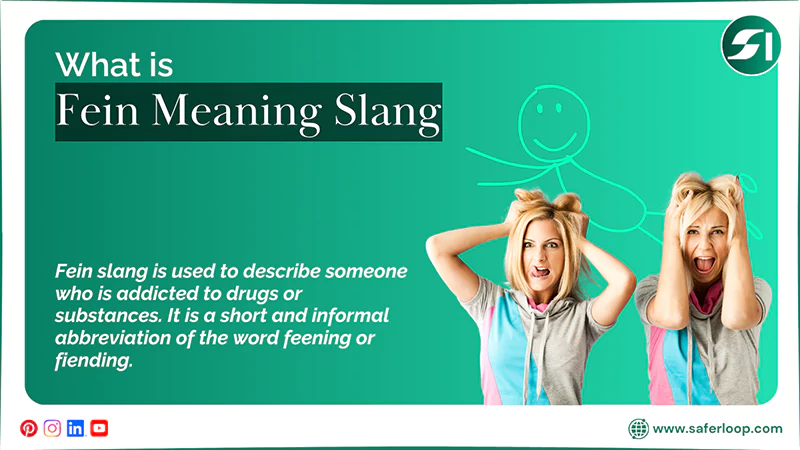
In DMs and group chats, feining shifts slightly depending on context. In private messages, it’s more sincere — you’re actually expressing real want. In group chats, it becomes performance. You’re feining for an audience, even if that audience is just five friends.
The tone stays playful either way. Emojis that usually follow: 😭 (crying laugh, emphasizing desperation), 🍽️ (if you’re feining for food), 💀 (you’re dying, can’t survive without it), or 🥵 (you’re thirsty for attention/validation).
Real text exchange:
Tyler: yo i’m feining for maccas rn
Jess: same bro!! in like 20
Tyler: PLEASE hurry I’m actually dying 😭😭
Jess: dramatic lol coming now
Here, both speakers use feining genuinely—they’re hungry. The tone is casual, the emoji escalates the joke.
| Platform | Meaning Shift | Example |
|---|---|---|
| Private DMs | More sincere, direct want | “I’m feining for you fr” = genuine longing |
| Group Chat | Performative, exaggerated want | “I’m feining for attention 😭” = joke admission |
| Close Friend’s Chat | Vulnerable + playful mix | “ngl I’m feining for her” = honest with a laugh |
Feining works alongside words like down bad in group chats, though feining feels more lighthearted and food/person-focused, while “down bad” is specifically about romantic desperation.
What Does Feining Mean on TikTok?
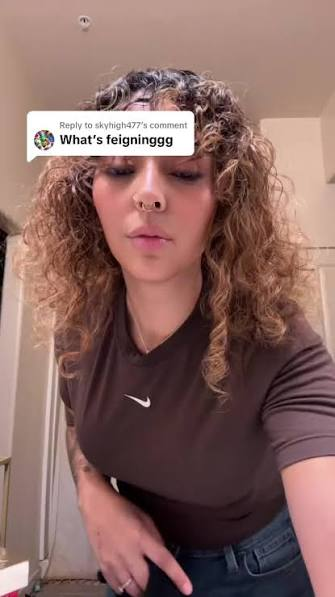
On TikTok, feining appears in three main ways:
- Video captions: “POV: you’re feining for someone you can’t have” (usually romantic/relationship drama)
- Comments: Reply to a hot person’s post: “I’m feining 😭😭”
- Voiceovers/sounds: Trending audio = “I’m feining for…” followed by relatable thing
TikTok’s feining is more exaggerated than texting. The platform rewards hyperbole. Videos where girls talk about feining for their crushes, or boys feining for fast food, rack up millions of views because the desperation is funny.
The meaning stays the same, but TikTok’s version is 10x more dramatic. A TikTok feining = a meme-ified, performative version of textual feining.
Feining is equally popular on US and UK TikTok, though UK creators use it slightly more since it’s their original slang. Both sides understand it completely.
Feining in Real Conversations: 5 Examples
Example 1 — Crush on someone
Marcus: bro I’m feining for Ash fr fr
Cody: just go talk to her lmao
Marcus: I’m scared 😭
Marcus is expressing romantic desire mixed with fear. “Feining” signals he’s desperate but covering it with humor.
Example 2 — Food craving (sincere)
Group chat — Ashley, Sophie, Lauren:
Ashley: McDonald’s now?
Sophie: YES I’m feining
Lauren: me too omg let’s go
All three genuinely want food. Feining here is honest — no irony.
Example 3 — Clout/attention (sarcastic)
Tyler on his story: “Me when I post a selfie I’m feining for likes 💀”
Tyler is self-aware. He’s joking about his own attention-seeking. The feining is ironic and self-deprecating.
Example 4 — Missing someone (sincere + playful)
Jess to long-distance friend: I’m feining for a hug from you istg 😭😭
Friend: I know babe 3 weeks
Jess is genuinely sad but expressing it with Gen Z language. Feining softens the sadness by wrapping it in playfulness.
Example 5 — Group chat roast (casual)
Discord gaming group:
Dev: y’all feining for this ranked game?
Maya: yeah let’s get it
Dev: coolcoolcool
Dev is asking if everyone’s eager/ready to play. Feining here means “hyped for” — the most positive spin.
Feining vs. Similar Slang
| Word | Core Meaning | Tone | Best Used When |
|---|---|---|---|
| Feining | Desperately craving or obsessing over something | Playful exaggeration | You’re expressing hunger, attraction, or wanting something badly |
| Down bad | In a sad/desperate state, usually romantic | Sympathetic mockery | Your friend is heartbroken or obsessed with someone unavailable |
| Thirsty | Desperate for attention or validation | Slightly judgmental | Someone’s fishing for compliments or engagement online |
| Simping | Overly devoted to one person | Teasing/mocking | Someone’s doing way too much for a person who doesn’t care back |
Key difference: Feining is about the wanting itself — the craving feels good, funny, shared. “Down bad” is about being in a bad emotional state. You feining for pizza is fun. You’re down bad about your ex is sad. Feining = appetite. Down bad = suffering.
The Emotional Vibe Behind “Feining”
Why does feining exist? Because wanting things is vulnerable. Feining lets Gen Z express want without shame.
Previous generations said “I’m hungry” or “I like you.” Gen Z says “I’m feining” — wrapping honesty inside exaggeration, mixing humor with real feeling. It’s safer. If you’re funny about your desperation, no one can judge you for it.
Feining spread fast because it feels communal. When you feining-post about pizza or a person, other people immediately get it and pile on with their own feining comments. It creates connection through shared exaggerated want.
What does it say about the speaker? They’re vulnerable but self-aware. They’re admitting want while staying playful. They’re not ashamed of desire — they’re meme-ifying it.
What does it say about the person being described? If someone’s feining for you, they’re obsessed. Not in a creepy way — it’s a compliment wrapped in comedy. It signals you’re desirable, interesting, worth the desperation.
This word exists because modern Gen Z communication requires emotional honesty and ironic distance at the same time. Feining is the perfect bridge — desperate without being serious, honest without being heavy. Other slang like ops builds community through in-jokes, but feining builds community through shared vulnerability.
Is “Feining” Offensive?
No. Feining is not offensive in any context and carries no slur status.
It’s not a bad word. It started in drug culture (“feening for drugs”), but that connotation disappeared completely. Gen Z uses it for pizza, crushes, and TikTok trends. The original meaning is gone. It’s fully destigmatized.
Context doesn’t change offensiveness here. Using “feining” in a classroom, professional email, or formal essay sounds immature, but it’s not offensive — it’s just wrong register. Same way “gonna” is informal but not offensive.
American and British users approach it identically. No regional sensitivity. UK users created it; US users adopted it. No appropriation arguments. No identity politics. It’s pure slang.
Avoid feining in:
- Job applications and formal resumes
- Academic essays (unless writing about Gen Z linguistics)
- Professional emails to authority figures
- Contexts where you want to sound credible or serious
Formal alternative: Replace with “craving,” “desperate for,” “obsessed with,” or “dying for.”
📌 Quick note for parents and teachers: “Feining” means desperately wanting or obsessing over something in an exaggerated, playful way. It’s not harmful slang. Your teen probably uses it in group chats when talking about food, people, or trends. The original drug-slang connotation has completely disappeared online. It’s safe.
Feining Slang — FAQ
Q: What does feining mean on TikTok?
A: On TikTok, feining means desperately wanting something — usually expressed in exaggerated, funny videos about crushes, food, or trends. The platform amplifies the desperation for comedic effect. Comments like “I’m feining 😭😭” under attractive people’s videos are common.
Q: Is feining a bad word?
A: No. Feining isn’t offensive or inappropriate in casual settings. It’s informal slang, so avoid using it in professional or academic writing. The original drug-slang context has completely disappeared in Gen Z usage.
Q: What’s the difference between feining and down bad?
A: Feining focuses on the craving itself — wanting something feels fun and shared. “Down bad” describes being in a sad, desperate emotional state, usually about unrequited feelings. You feining for tacos is positive. You’re down bad about your ex is sad.
Q: Do Americans and British people use feining the same way?
A: Yes, identically. The word originated in UK roadman culture, but both regions adopted it completely. Usage, tone, and context are the same across both countries.
Q: Why does feining have multiple spellings?
A: Gen Z doesn’t standardize slang spelling. Feining, feening, and feigning all exist simultaneously depending on which regional accent influences the writer. Feining is most common; feening is popular in the US; feigning is rare and ironic.
The Bottom Line
Feining is Gen Z’s way of admitting want without shame. It packages desperation inside humor. Food, people, trends, attention — if you’re obsessed, you’re feining.
The word thrives because it’s communal. When someone feins on TikTok or in a group chat, others immediately relate and pile on with their own feining moments. It creates belonging through shared, exaggerated desire.
Next time you see feining in a comment section or DM, you’ll recognize it: someone’s desperately wanting something, admitting it playfully, and expecting others to get the joke.
Have you seen feining used in a way that surprised you? Drop it in the comments.
Quick Feining Examples by Region
| Region | Common Usage | Example |
|---|---|---|
| UK TikTok | Primarily about food and romance | “I’m feining for a Pret sandwich fr 😭” |
| US TikTok | Food, crushes, trends equally | “I’m feining for that new Drake song 🔥” |
| Discord Gaming | Hyped/ready for activity | “y’all feining for ranked tonight?” |
Verified by native Gen Z speakers and TikTok cultural analysts. Last updated June 2026.

Maggie Wiersma is a USA-based writer with 2 years of experience covering slang meanings, internet culture, and modern language trends. With a background in communication studies, she creates simple and engaging content that helps readers understand today’s most popular slang terms.